call us 0543497239
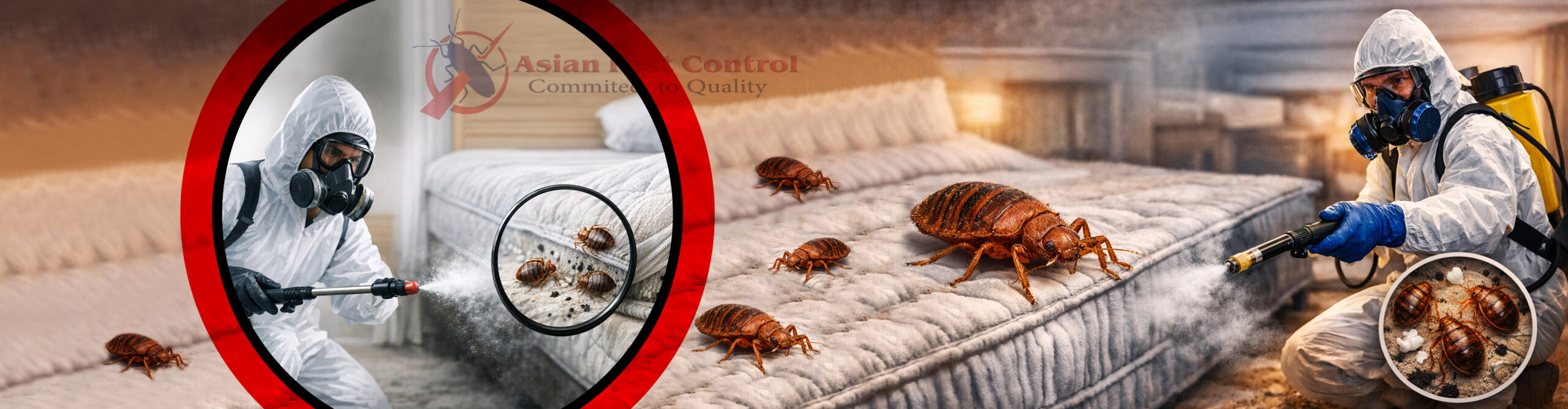

Bed bugs Treatment, Bedbugs are small, oval, brownish insects that live on the blood of animals or humans. Adult bedbugs have flat bodies about the size of an apple seed. After feeding, however, their bodies swell and are a reddish color. Bedbugs do not fly, but they can move quickly over floors, walls, and ceilings. Female bedbugs may lay hundreds of eggs, each of which is about the size of a speck of dust, over a lifetime.
Bed bugs are small, parasitic insects that feed on human blood, often causing distress and discomfort when they invade homes. Recognizing the signs of an infestation early and taking appropriate steps for treatment can significantly alleviate the stress associated with bed bugs. This comprehensive guide will cover everything from identifying an infestation to effective treatment methods, ensuring that you are well-equipped to tackle this nuisance.
Where They Lurk & How Find Them
Bed bugs are nocturnal and mainly active at night, so what happens when the sun comes up? Bed bugs do not usually crawl for long distances and they don't have wings so they tend to stay near potential blood meal hosts. Evidence of where bed bug infestations may be found in a bed room include: bed frame, mattress and box spring.
Bedbugs don’t always feed every single night. In fact, they can go several weeks without eating. Bedbugs are active mainly at night and usually bite people while they are sleeping. They feed by piercing the skin and withdrawing blood through an elongated beak. The bugs feed from three to 10 minutes to become engorged and then crawl away unnoticed. Most bedbug bites are painless at first, but later turn into itchy welts.
The first step in dealing with bed bugs is to be aware of the telltale signs of their presence. These can include visible bugs, bites on your skin, and other indicators that can help diagnose an infestation. The earlier you can identify these signs, the easier it will be to manage the situation effectively bed bugs treatment.
Bed bug bites typically manifest as small, red, itchy welts on the skin. They are often clustered together and may appear in a linear pattern. Unlike mosquito bites, which can be random, bed bug bites usually occur on exposed skin areas, such as arms, neck, and legs, primarily while sleeping. If you notice these bites and experience itching, it could indicate a bed bug problem/ bed bugs treatment.
Another sign of infestation is the presence of bed bug shells or exoskeletons, which they shed as they grow. These shells are small, light brown, and often found in areas where bed bugs hide, such as mattresses, box springs, or behind baseboards. Finding these shells can serve as a strong indicator of a bed bug presence in your home bed bugs treatment.
Dark spots on your bedding and furniture may also indicate bed bugs. These spots are often fecal matter left behind by the bugs after feeding. They can appear as small, dark, rust-colored stains on sheets, mattresses, and upholstered furniture. If you observe these stains, it’s crucial to investigate further for signs of bed bugs treatment.
Importance of Decluttering
Once you’ve identified the signs of bed bugs, it is essential to declutter your living space. A cluttered environment provides numerous hiding spots for bed bugs, making it more challenging to eliminate them. By minimizing clutter, you not only make it easier to spot the bugs and their signs, but you also facilitate the bed bugs treatment process.
How to Declutter Effectively/ Bed bugs treatment
To effectively declutter, start by removing unnecessary items from your bedroom and surrounding areas. Go through clothes, books, and other belongings to determine what is essential. Items that are not frequently used should be stored away in sealed containers to minimize hiding spots for bed bugs. It’s important to dispose of items that cannot be cleaned or treated properly to prevent re-infestation.
Washing your bedding, clothing, and any fabric items that may have come into contact with bed bugs is crucial to eradicating them. Use hot water, as bed bugs and their eggs cannot survive high temperatures. Ensure that all items are washed, including sheets, pillowcases, and blankets, to eliminate any potential hiding spots or eggs.
In addition to washing, you should dry all items on a high heat setting for at least 30 minutes. This is essential, as the heat will kill any remaining bed bugs or eggs that were not eliminated during the washing process. For items that cannot be washed, placing them in a dryer on high heat can also be effective.
Protecting your mattress with an encasement designed specifically for bed bugs can significantly reduce the risk of re-infestation. These encasements are typically made of tightly woven materials that prevent bed bugs from entering or escaping. When choosing an encasement, look for one that is bed bug-proof and features a secure zipper.
To ensure maximum protection, install the mattress encasement according to the manufacturer's instructions. This usually involves placing the encasement on a clean mattress and sealing it securely. Once installed, leave the encasement on for at least a year, as this is the time it takes for any hidden bed bugs to die without a food source.
Precaution & Prevention Bed bugs Treatment Experts !
1.Vacuum suitcases after returning from a vacation.
2. Check your bedsheets for tell-tale blood spots.
3. Consider bringing a large plastic trashbag to keep your suitcase in during hotel stays.
4. Carry a small flashlight to assist you with quick visual inspections.
5. Never bring second-hand furniture, especially mattresses and box springs, into a home without thoroughly examining for signs of a bed bug infestation.
6. Regularly inspect areas where pets sleep for signs of bed bugs.

Many types of Treatment is available for bed bugs treatment such as Heat Treatment, Cold Treatment, Spray Treatment. Spray treatment is better & affordable than others treatment. An insecticide treatment typically takes about 30 minutes to 2 hours per room depending on size and condition of the room.
Bedbugs (bed bugs treatment) can survive for up to a year without feeding, so they may persist even in unoccupied rooms. So be carefully safe yourself & try to bed bugs treatment as soon as possible. More details our Bed Bugs Treatment Dubai Team.
bed bugs treatment, bites do not transmit diseases, which means they don’t spread viruses or bacteria like mosquitoes or ticks do. However, they can still cause health issues including:
The time it takes to eliminate bed bugs varies depending on the severity of the infestation and the methods used. With thorough cleaning, monitoring, and possibly professional help, it can take several weeks to ensure complete eradication.However, they can still cause health issues including.
Are bed bug bites dangerous?
Bed bug bites are generally not dangerous, but they can lead to allergic reactions and secondary infections due to scratching. If you experience severe reactions, consult a healthcare bed bugs treatment professional.



Index